If you want to know which medicinal plants to grow at home, you are in the right place. These 10 plants have been used for centuries — and your great-grandmother likely grew every single one of them.
10 Medicinal Plants Your Great-Grandmother Grew — And Why You Should Too
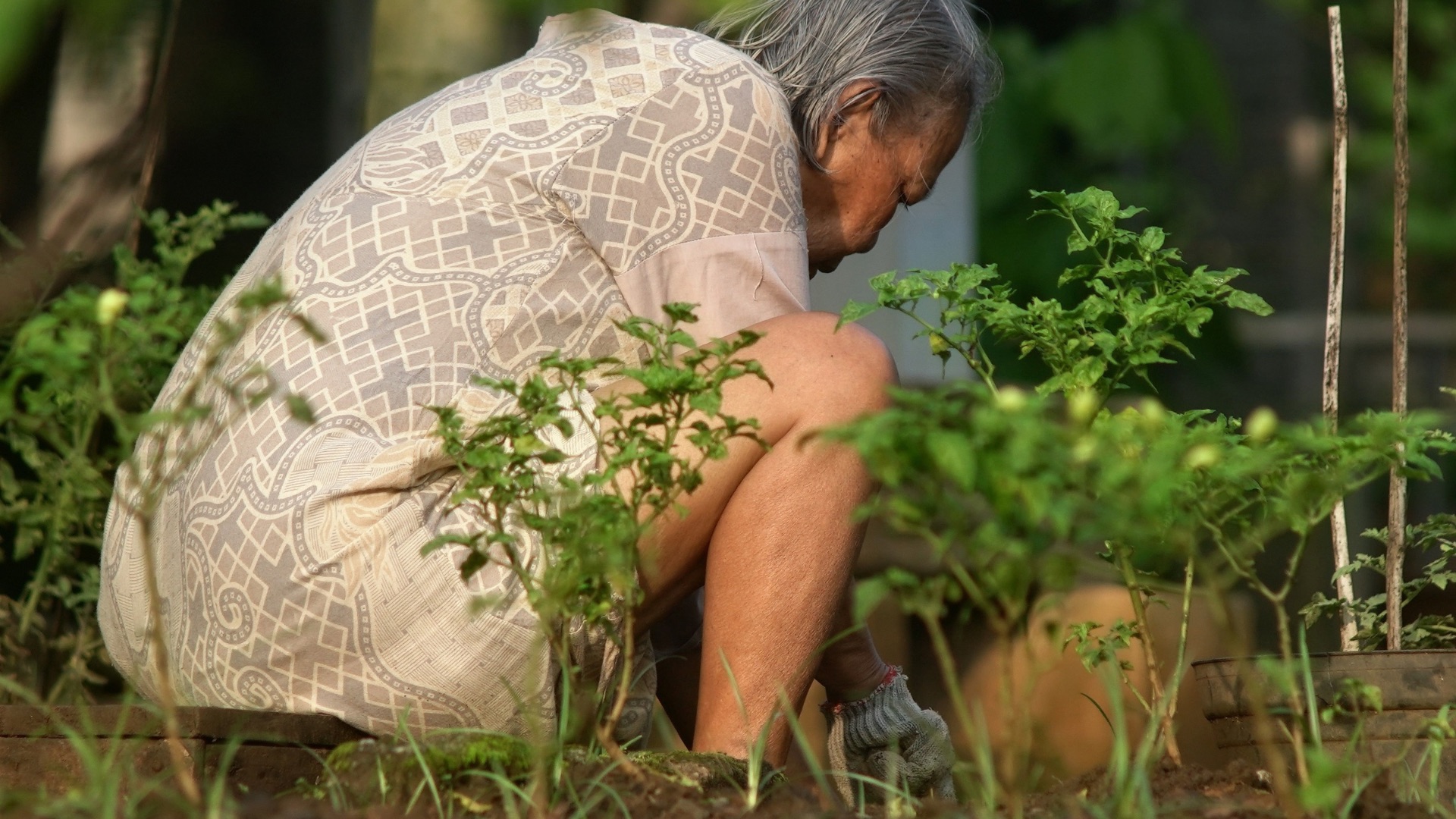
There was a time — not so long ago — when your great-grandmother didn’t rush to the pharmacy every time someone got sick.
She walked into her garden.
She knew exactly which plant to pick for a fever, which one to use on a wound, and which tea would help the children sleep through the night. That knowledge was passed down through generations — quietly, naturally, without a prescription.
Somewhere along the way, we lost it.
Modern medicine gave us convenience. But it also made us dependent — on pharmacies, on pills, on systems that can fail. The average American spends $1,742 every year on medications. And yet, many of the most powerful remedies in the world are sitting in the soil, waiting to be planted.
Your great-grandmother knew this. And now, so can you.
Here are the 10 medicinal plants she likely grew — and why growing them yourself may be one of the most important things you do for your family’s health.
1 Chamomile — The Original “Heal-All”
Long before chamomile tea bags lined supermarket shelves, grandmothers were growing chamomile in their gardens and harvesting the flowers by hand.
It was used for everything — upset stomachs, irritated eyes, restless children, and skin rashes. Science has since confirmed what our ancestors already knew: chamomile contains powerful anti-inflammatory and antimicrobial compounds that can penetrate deep layers of the skin.
What it’s good for: Digestive issues, anxiety, skin inflammation, sleep, eye infections.
How to use it: Dry the flowers, steep in hot water for 10 minutes, and drink as tea. Or infuse in oil for a natural skin remedy.
Already covered in depth on our blog — read Best Medicinal Plants for Sleep and Anxiety (Backed by Science) for more on chamomile’s calming effects.
2 Lavender — More Than Just a Pretty Scent
Your great-grandmother didn’t grow lavender just because it smelled beautiful. She grew it because it worked.
A recent double-blind study found that lavender oil reduces anxiety to the same extent as a daily dose of Lorazepam — a common prescription anxiety medication — but without the side effects or the dependency risk.
She also knew what researchers are only now confirming: lavender applied to the scalp improves blood circulation and strengthens hair follicles. A simple, free solution hiding in plain sight.
What it’s good for: Anxiety, sleep, fungal infections, skin conditions, hair loss, insect repellent.
How to use it: Place dried lavender in your pillow for better sleep. Make a tincture for anxiety. Infuse in oil for skin and hair.
3 Echinacea — The Immune System’s Best Friend
Before flu shots and vitamin C supplements, there was echinacea.
Native Americans used this plant for centuries to fight infections and strengthen the body’s natural defences. Your great-grandmother would have grown it in a corner of the garden and made a simple root tea at the first sign of illness.
Here’s something important: most echinacea supplements sold in health stores are heavily diluted — or worse, counterfeit. Growing your own guarantees potency, purity, and zero additives.
What it’s good for: Immune support, colds, infections, inflammation, wound healing.
How to use it: Simmer sliced roots in water for 30 minutes and drink hot at the first sign of illness.
4 Calendula — The Wound Healer That Saved Lives
During the American Civil War, surgeons packed calendula flowers directly into open wounds on the battlefield. It stopped bleeding, prevented infection, and promoted healing — without antibiotics, without modern medicine.
Your great-grandmother likely kept a jar of calendula extract on the shelf for cuts, burns, rashes, and insect bites. It also does something remarkable: as a tea, calendula moves lymphatic fluid and cleanses the lymphatic system — something no modern pharmaceutical does.
What it’s good for: Wounds, burns, rashes, skin ulcers, sore throats, lymphatic health.
How to use it: Infuse flowers in oil for a healing salve. Brew as tea for internal cleansing.
5 Yarrow — Stop a Wound from Bleeding in Minutes
Yarrow has been used as a battlefield remedy for thousands of years — by the ancient Greeks, by Native American tribes, and by survival experts today.
Nicole Apelian, Ph.D., biologist and herbalist, used yarrow on day 42 of the History Channel’s survival show Alone when she cut her hand to the bone. She wrapped the wound with yarrow. The bleeding stopped in minutes. There is barely a scar left.
What it’s good for: Bleeding wounds, cuts, burns, insect repellent, menstrual cramps, fever.
How to use it: Apply fresh or dried yarrow directly to wounds. Chew a fresh leaf for toothache relief.
6 California Poppy — Nature’s Sleeping Pill (Without the Addiction)
Your great-grandmother slept deeply and woke up rested. She didn’t need prescription sleeping pills — she had California poppy growing in her garden.
This plant supports deep, restorative sleep — the kind we had as children, when falling asleep for eight hours was effortless. Unlike prescription sleep medication, California poppy carries no risk of addiction or dependency.
What it’s good for: Insomnia, anxiety, PTSD, pain relief, restless sleep.
How to use it: Steep leaves, flowers, or stems in hot water for 10 minutes before bed. For serious insomnia, make a concentrated tincture.
Want to know more about natural sleep remedies? Read our guide on Best Medicinal Plants for Sleep and Anxiety (Backed by Science).
7 Marshmallow Root — The Gut Healer
Most people think marshmallow is just a sugary treat. But the original marshmallow — the plant — was used medicinally for centuries to heal the digestive system from the inside out.
The root contains a substance called mucilage, which coats the entire digestive tract — stomach, intestines, and colon — with a protective, soothing layer. It’s been used to treat stomach ulcers, heartburn, IBS, and Crohn’s disease naturally.
What it’s good for: Heartburn, reflux, stomach ulcers, IBS, constipation, coughs, sore throat.
How to use it: Soak roots in cold water for several hours and drink the infusion for digestive relief.
8 Evening Primrose — The Hormone Balancer
If you feel constantly fatigued, gain weight without explanation, or struggle with nerve pain — your great-grandmother would have reached for evening primrose.
This plant contains two fatty acids the skin and nervous system need but cannot produce on their own. It balances hormones naturally, supports nerve health, and was used by Native Americans as a poultice for bruises and wounds.
What it’s good for: Hormonal imbalance, nerve pain, skin conditions, mood swings, bruising.
How to use it: Infuse in oil for skin and nerve relief. Brew as tea for hormonal support.
9 Chicory — The Painkiller Hidden in Plain Sight
Native Americans valued chicory above almost every other wild plant. They used it to make a natural painkilling extract for joint pain and inflammation — with no risk of addiction.
The root contains chicoric acid, a compound with potent anti-inflammatory and analgesic properties. It also supports liver health and acts as a natural prebiotic for your digestive system.
What it’s good for: Joint pain, inflammation, liver health, digestion, adrenal fatigue.
How to use it: Add ground chicory root to your coffee or tea daily as a prebiotic. Make a salve for pain relief.
10 Feverfew — Nature’s Aspirin
Before aspirin existed, there was feverfew. Your great-grandmother used it to bring down fevers, fight migraines, and ease inflamed joints — naturally and effectively.
The plant contains parthenolide, concentrated in the flower heads and leaves, which acts as a powerful anti-inflammatory. People suffering from chronic migraines have used feverfew as a preventative treatment for decades.
What it’s good for: Migraines, fever, inflammation, joint pain, insect repellent, eczema.
How to use it: Chew fresh leaves at the first sign of a migraine. Make a tincture for concentrated relief.
Your Great-Grandmother Had a Pharmacy in Her Backyard. You Can Too.
These 10 plants aren’t exotic or hard to find. They grew in ordinary gardens, tended by ordinary women who understood something we’ve largely forgotten: Nature already gave us what we need.
Nicole Apelian, Ph.D. — biologist, herbalist, mother, and MS survivor — created the Medicinal Garden Kit so anyone can grow all 10 of these plants at home, regardless of experience.
- 4,818 NON-GMO seeds — 10 premium varieties
- Herbal Medicinal Guide: From Seeds to Remedies
- 2 free bonus guides worth $58
- 365-day money-back guarantee
👉 Get Your Medicinal Garden Kit Today