Best Medicinal Plants for Sleep and Anxiety (Backed by Science)
In this guide, you will discover the 5 best medicinal plants for sleep and anxiety, what the research says, and how you can grow every single one of them at home.
Why People Are Turning to Medicinal Plants
Sleep disorders affect more than 70 million Americans every year. Anxiety disorders are the most common mental health condition in the US, impacting over 40 million adults. Prescription medications can help, but they often come with dependency risks, side effects, and high costs.
Medicinal plants offer a compelling alternative. Many have been studied in clinical trials and shown to improve sleep quality, reduce anxiety symptoms, and lower cortisol — the primary stress hormone — without the risks associated with pharmaceutical drugs.
The best part? Most of these plants are easy to grow at home, even in small spaces or containers on a balcony.
The 5 Best Medicinal Plants for Sleep and Anxiety
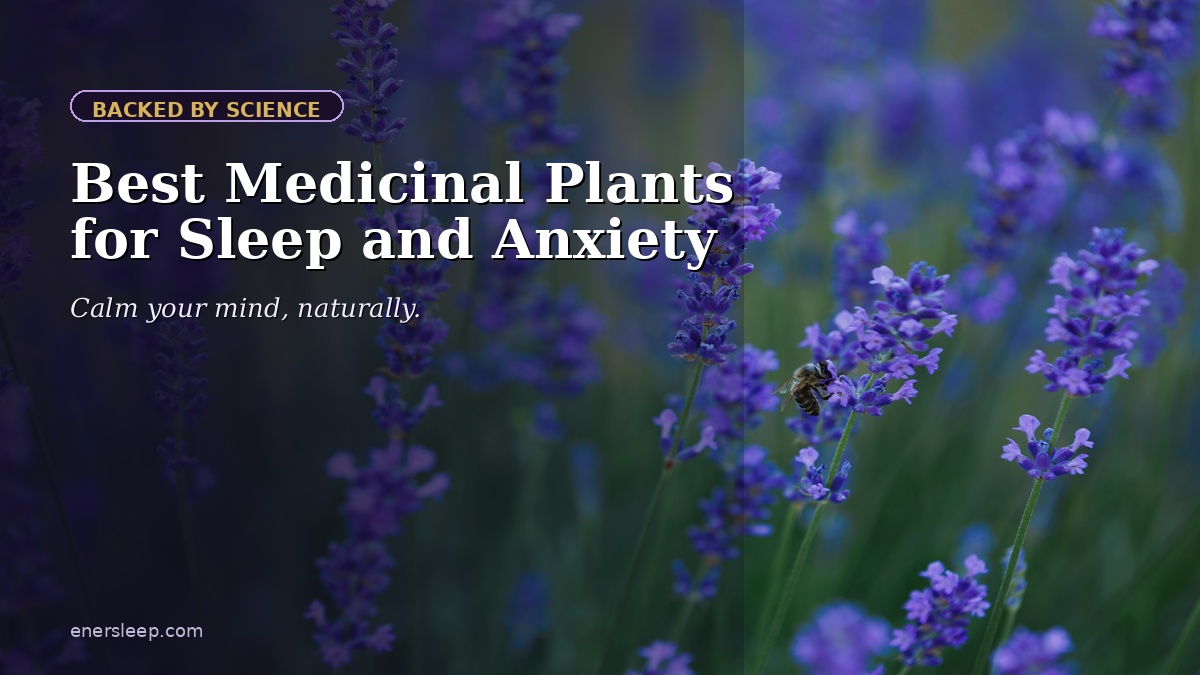
Chamomile — The Gentle Sleep Inducer
Chamomile is one of the most widely studied medicinal plants for sleep. Its active compound, apigenin, binds to the same brain receptors as anti-anxiety medication — but without the side effects. A 2017 study found that chamomile extract significantly improved sleep quality in adults with chronic insomnia.
For anxiety, chamomile has been shown to reduce generalised anxiety disorder (GAD) symptoms in multiple clinical trials, making it one of the most accessible natural remedies available.
- Reduces time to fall asleep
- Decreases nighttime waking
- Mild anxiolytic (anti-anxiety) effect
- Safe for daily use — ideal as an evening tea
- Easy to grow: full sun, well-drained soil
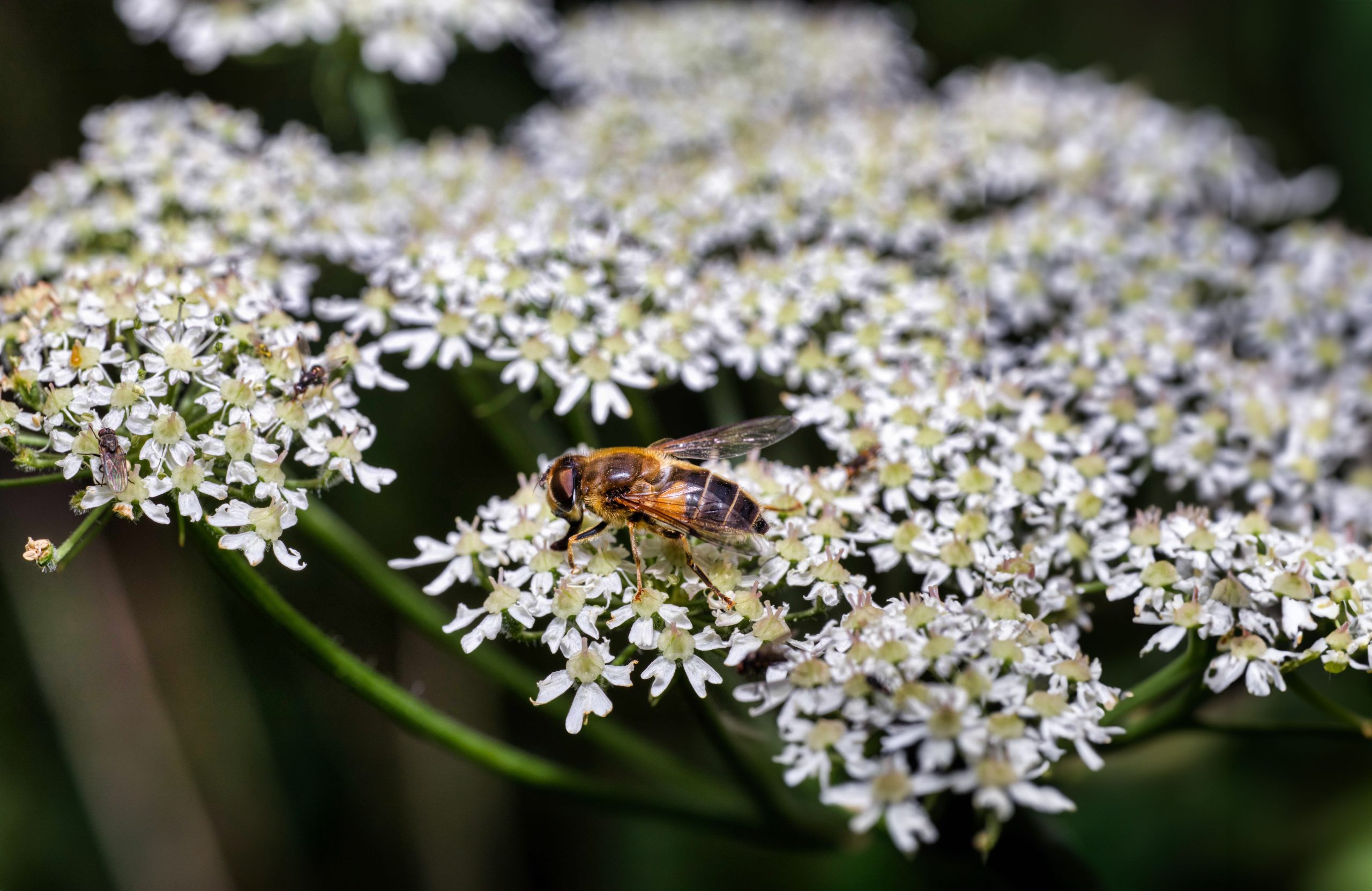
Valerian Root — The Ancient Sleep Remedy
Used for over 2,000 years to treat insomnia and nervous tension, Valerian root is among the most powerful natural sleep aids known to herbalism. Modern research confirms its effectiveness: a meta-analysis of 16 studies found that valerian root improved sleep quality without producing side effects.
Valerian works by increasing levels of GABA — a calming neurotransmitter — in the brain. This is the same mechanism used by many prescription anti-anxiety drugs, but without the risk of dependency.
- Reduces time to fall asleep by up to 15 minutes
- Improves deep sleep stages
- Reduces anxiety and nervous tension
- Non-habit-forming with long-term use
- Grows well in most climates — perennial plant
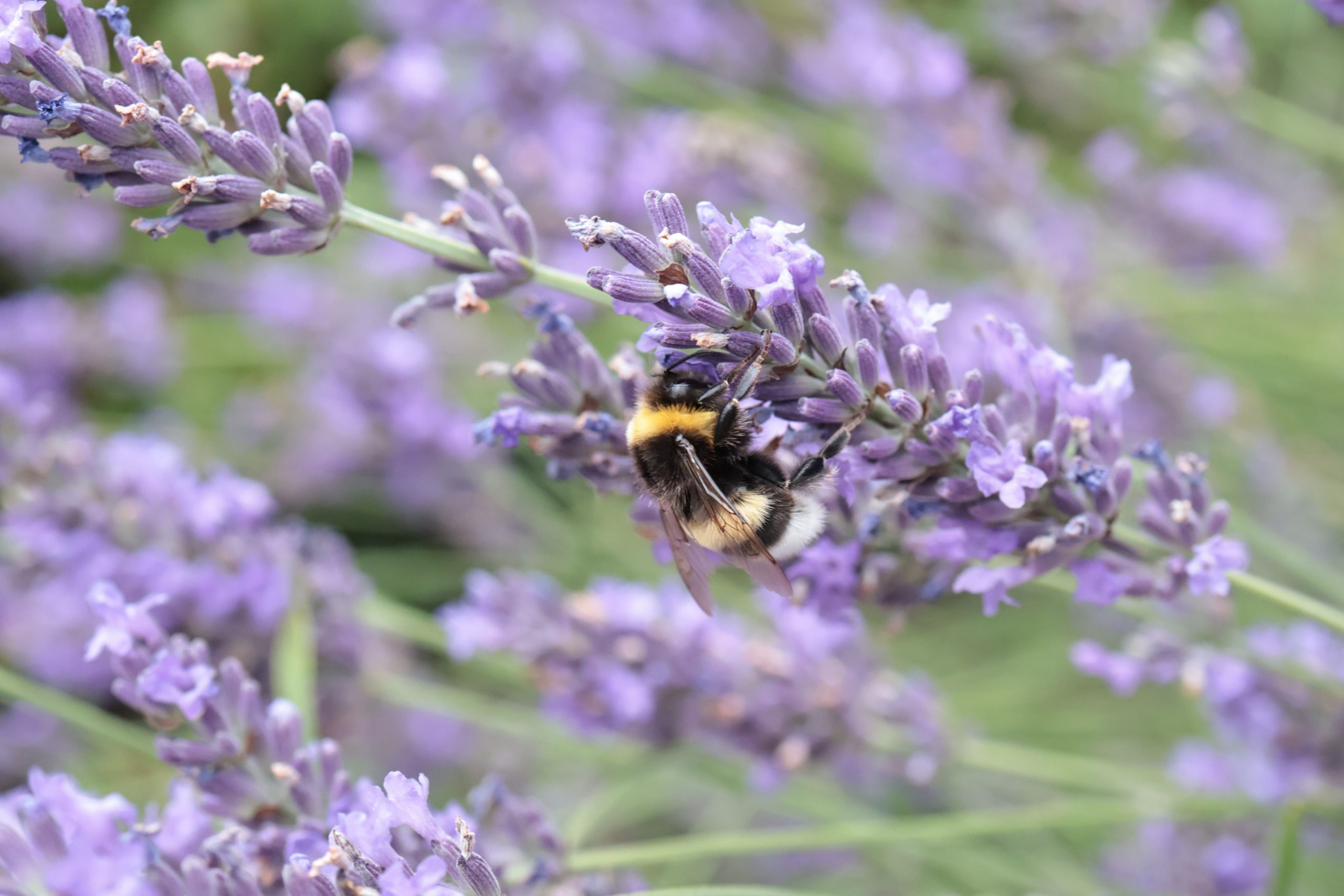
Lavender — The Stress Reliever
Lavender is perhaps the best-known aromatic herb for relaxation — and for good reason. Clinical studies show that lavender aromatherapy significantly reduces anxiety and improves sleep quality. Its active compound, linalool, acts on the central nervous system to produce a calming effect.
A licensed oral lavender preparation called Silexan has been clinically proven to be as effective as the prescription anti-anxiety drug lorazepam, without sedation or dependency.
- Reduces anxiety levels measurably within 15 minutes
- Improves sleep quality and duration
- Lowers heart rate and blood pressure
- Works through aromatherapy, tea, or essential oil
- Drought-tolerant — very easy to grow outdoors or in pots
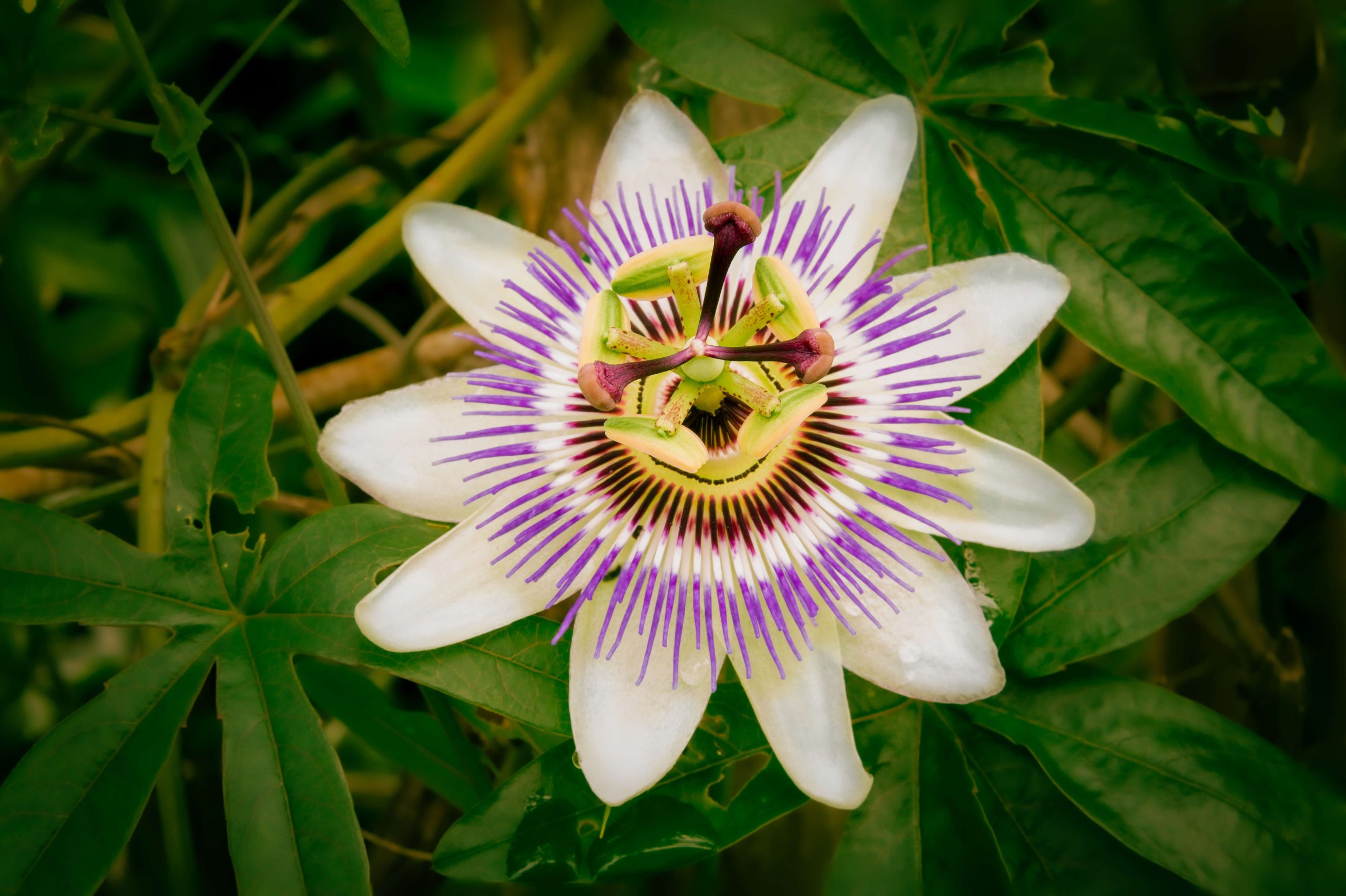
Passionflower — The Anxiety Specialist
Passionflower is one of the most underrated medicinal plants for anxiety. A clinical study published in Phytotherapy Research found that passionflower was as effective as oxazepam (a common anti-anxiety drug) for treating generalised anxiety disorder — with significantly fewer side effects.
For sleep, passionflower increases GABA in the brain, helping to quiet racing thoughts that prevent restful sleep. It is particularly effective for people who struggle to “switch off” at night.
- Clinically comparable to prescription anti-anxiety medication
- Quiets racing thoughts at bedtime
- Reduces restlessness and irritability
- Works well combined with valerian or chamomile
- Fast-growing vine — thrives in warm climates
Ashwagandha — The Cortisol Controller
Ashwagandha is an adaptogen — a plant that helps the body adapt to stress. It is one of the most researched herbs in modern science. A landmark double-blind study found that ashwagandha root extract reduced cortisol levels by up to 30% in chronically stressed adults, while significantly improving sleep quality and overall wellbeing.
Unlike sedative herbs, ashwagandha works at the hormonal level — addressing the root cause of stress-related insomnia rather than just masking the symptoms.
- Reduces cortisol by up to 30% in clinical studies
- Improves sleep onset and sleep quality
- Boosts energy and focus during the day
- Reduces perceived stress and anxiety scores
- Grows well in warm, dry conditions — suitable for pots
Quick Comparison: Which Plant Is Right for You?
| Plant | Best For | How to Use | Ease of Growing | Speed of Effect |
|---|---|---|---|---|
| 🌼 Chamomile | Mild sleep + daily anxiety | Tea before bed | Very Easy | Same night |
| 🌿 Valerian | Insomnia + nervous tension | Capsule / tincture | Easy | 2–4 weeks |
| 💜 Lavender | Stress + sleep quality | Aromatherapy / tea | Very Easy | Minutes |
| 🌸 Passionflower | Anxiety + racing thoughts | Tea / tincture | Moderate | 1–2 weeks |
| 🌱 Ashwagandha | Cortisol + chronic stress | Capsule / powder | Moderate | 4–8 weeks |
How to Grow These Plants at Home
All five of these medicinal plants can be grown at home — in a garden bed, raised bed, or even in pots on a balcony. You do not need a large outdoor space or specialist knowledge to get started.
Getting Started: What You Need
The simplest way to begin is with a medicinal garden kit that provides pre-selected seeds, growing guides, and everything you need to start your own home apothecary. This removes all the guesswork and lets you focus on growing and harvesting.
If you want step-by-step guidance on setting up your medicinal garden from scratch, read our complete guide: How to Start a Medicinal Garden From Scratch.
Start Growing Your Own Sleep Remedies
Get the complete Medicinal Garden Kit — everything you need to grow all 5 of these powerful plants at home. No experience required.
🌿 Get the Medicinal Garden Kit →*Affiliate link — we may earn a commission at no extra cost to you.
Frequently Asked Questions
Valerian root is widely considered the best medicinal plant for sleep. Studies show it can reduce the time it takes to fall asleep and improve sleep quality without the side effects of pharmaceutical sleep aids.
Ashwagandha and Passionflower are among the most effective herbs for anxiety relief. Ashwagandha has been clinically shown to reduce cortisol levels by up to 30%, while Passionflower works similarly to mild anti-anxiety medication.
Yes. Plants like Chamomile, Lavender, Valerian, Passionflower, and Ashwagandha can all be grown at home in pots or garden beds with minimal care. A medicinal garden kit makes it even easier to get started.
Most herbal remedies show noticeable effects within 2 to 4 weeks of consistent use. Some, like Chamomile tea, can provide mild relaxation on the same night they are consumed.
Most medicinal plants listed here — Chamomile, Lavender, Passionflower, Valerian, and Ashwagandha — are considered safe for daily use. However, always consult a healthcare professional if you take prescription medication or are pregnant.
Disclaimer: The information in this article is for educational purposes only and does not constitute medical advice. Always consult a qualified healthcare provider before starting any herbal supplement, particularly if you take prescription medication, are pregnant, or have an existing medical condition. This article contains affiliate links — we may earn a small commission at no extra cost to you.