How to Start a Medicinal Garden From Scratch
A complete step-by-step guide to growing your own healing herbs — no experience, no large garden, no complicated tools required.
A thriving medicinal garden — easier to grow than you think.
If you’ve ever wondered how to start a medicinal garden from scratch, you’re in the right place. You don’t need a large yard, a green thumb, or years of experience — just a few seeds and the willingness to begin.
In this guide, you’ll learn exactly how to start a medicinal garden from scratch, step by step — from choosing your first plants to harvesting your own natural remedies at home. Whether you have a backyard, a balcony, or just a sunny windowsill, this guide is for you.
The Complete Medicinal Garden Kit
10 non-GMO seed varieties, a full illustrated growing guide, 50+ remedy recipes, and a planting calendar — everything you need to start today.
🌱 Get the Medicinal Garden KitWhy Start a Medicinal Garden at Home?
For most of human history, the garden was the pharmacy. Every household grew the plants they needed to treat illness, manage pain, improve sleep, and support their immune system. Today, that knowledge is making a powerful comeback — and the results are remarkable.
- Fresh herbs are more potent than dried supplements sitting on a shelf for months
- Zero additives or fillers — you know exactly what you’re putting in your body
- Unlimited supply at a fraction of the cost of buying supplements
- No gardening experience needed — most medicinal herbs are extremely easy to grow
- Works in any space — backyard, balcony, pots, or raised beds
Already know which plants you want to grow? Check out our guide to the 7 most powerful medicinal plants to grow at home — a great companion to this article.
Step 1 — Choose Your First 3 Plants
The biggest mistake beginners make is starting with too many plants. Begin with just 2 or 3, master those, then expand. Here are the best medicinal plants for beginners:
Step 2 — Choose Your Growing Space
🏡 Backyard or Garden Bed
Even a small 1m × 2m dedicated herb bed is enough to grow 5 to 7 different medicinal plants with room to expand.
🪴 Balcony or Patio (Containers)
Most medicinal herbs grow beautifully in pots at least 20–30cm deep with drainage holes. Keep peppermint in its own pot — it spreads aggressively.
🪟 Indoor or Windowsill
A south-facing windowsill with 6+ hours of sunlight is enough for lemon balm, chamomile, and small lavender plants.
Step 3 — Prepare Your Soil
Most medicinal herbs prefer well-drained soil — they don’t like sitting in wet conditions.
- Garden beds: Mix in compost or aged manure. Aim for slightly sandy, loose soil.
- Containers: Quality potting mix with 20% perlite or coarse sand for extra drainage.
- pH: Most herbs prefer 6.5–7.5. A basic soil test kit tells you exactly where you stand.
💡 Pro tip: Avoid over-enriching with nitrogen fertilisers. Many medicinal herbs produce more active compounds in leaner conditions — rich soil grows fast but dilutes potency.
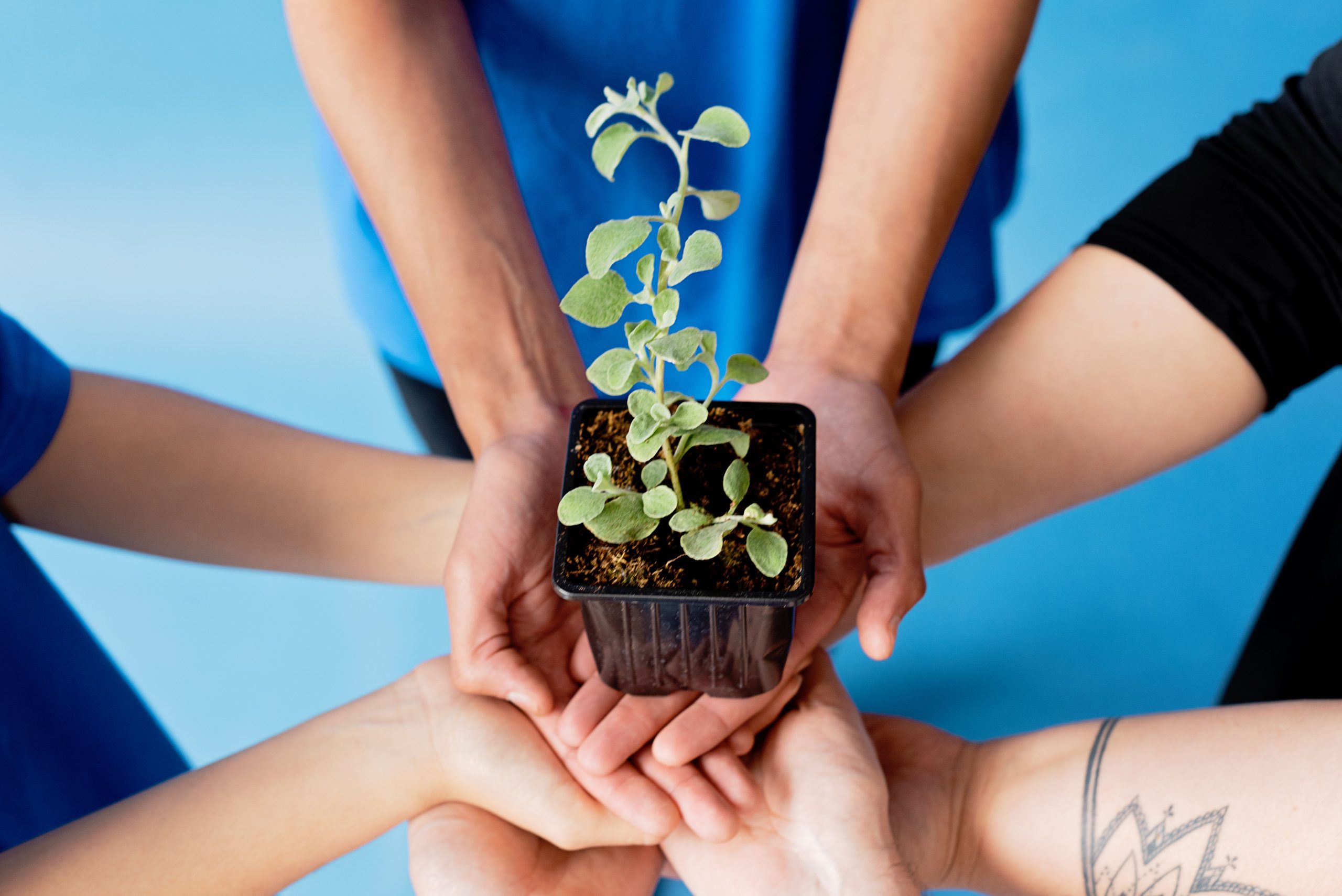
Starting from seed or transplant — both methods work beautifully for medicinal herbs.
Step 4 — Seeds or Transplants?
🌱 Best for Beginners on a Budget
Much cheaper. Larger variety available. Chamomile, calendula, and lemon balm germinate quickly and easily. Start seeds indoors 6–8 weeks before your last frost date.
🪴 Best for Instant Results
Available at most garden centres in spring. Skip the germination stage entirely. Better for lavender and echinacea, which can be slow from seed.
✅ Recommendation: Start lemon balm and chamomile from seed. Buy lavender as a transplant. Best of both worlds at a lower cost.
Step 5 — Plant at the Right Time
Step 6 — Basic Care for Your Medicinal Garden at Home
💧 Watering
Water deeply once or twice per week. Stick your finger 2cm into the soil — if it’s dry, water. If moist, wait. Most herbs prefer to dry out slightly between waterings.
☀️ Sunlight
Most medicinal herbs need at least 6 hours of direct sunlight per day. Chamomile, lavender, echinacea, and calendula love full sun. Lemon balm and peppermint tolerate partial shade.
✂️ Harvesting
Regular harvesting encourages more growth. For leafy herbs, trim up to one-third at a time. For flowering plants like chamomile and calendula, pick flowers as soon as they open — the more you pick, the more they produce.
🌿 No pesticides: Never use chemical pesticides on plants you intend to use medicinally. Try neem oil spray or water and dish soap solution if needed.
Step 7 — Harvest and Preserve Your Herbs
- Leaves: Harvest in the morning after dew dries — essential oils are at peak concentration.
- Flowers: Harvest when just fully open, before they start to fade.
- Roots: Harvest in autumn. Echinacea roots are typically harvested in year 2 or 3.
🌿 How to Dry Your Herbs
Tie small bundles and hang upside down in a warm, dry, ventilated space away from direct sunlight. Most herbs dry in 1–2 weeks. Store in airtight glass jars — properly dried herbs retain potency for 12–18 months.
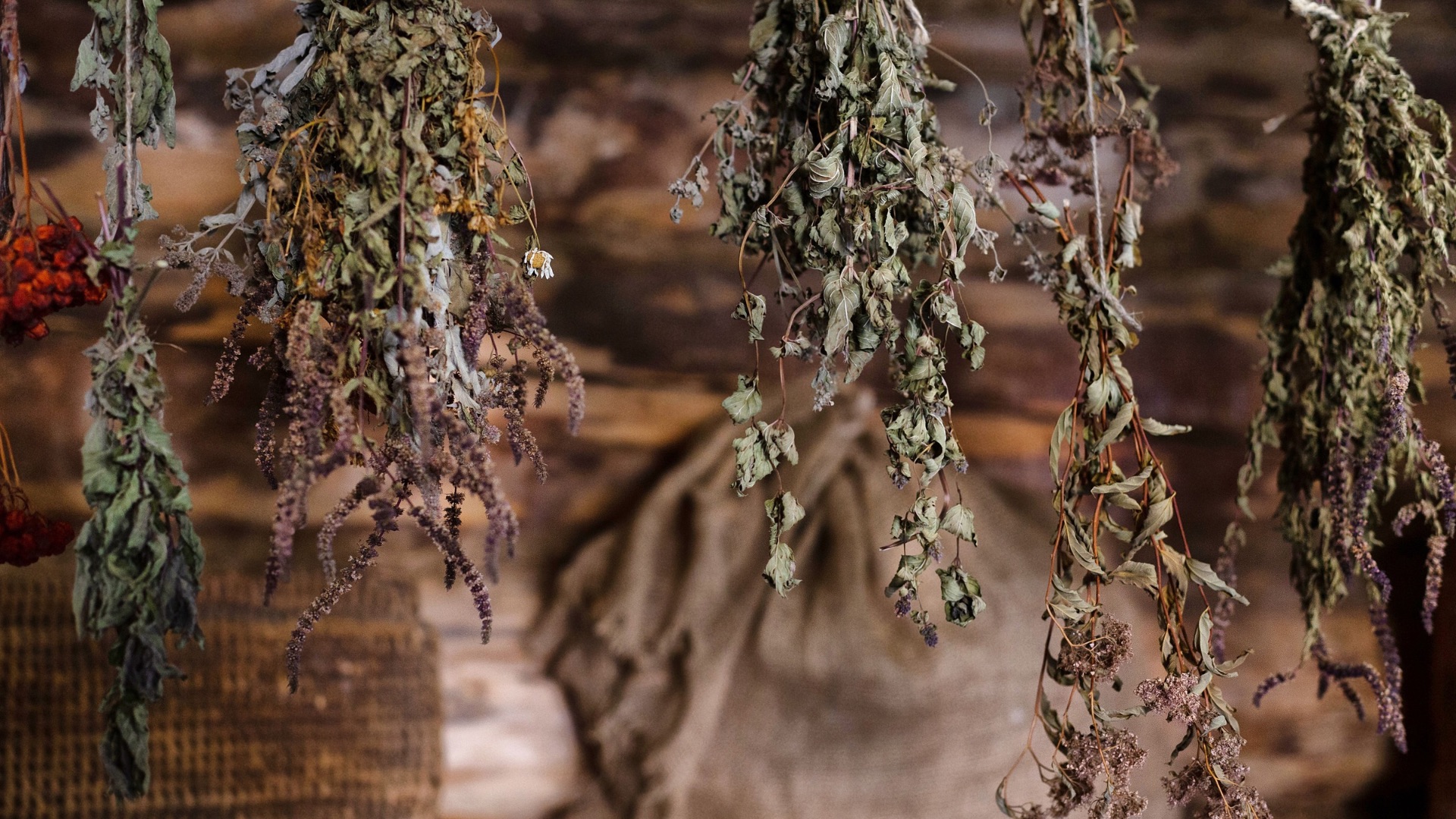
Your harvest — natural remedies grown by your own hands.
Your Starter Medicinal Garden Plan
Here’s a simple, proven 5-plant starter kit that covers the most common health needs — perfect for anyone learning how to start a medicinal garden at home for the first time:
🌿 The Perfect 5-Plant Starter Garden
- Chamomile — 3 plants or 1 seed packetSleep tea, digestive relief, skin soothing
- Lavender — 2 transplantsAnxiety relief, headaches, sleep sachets
- Lemon Balm — 2 plants or seedsMood support, calm, daily wellness tea
- Calendula — 1 seed packetHealing salve, skin repair, wound care
- Peppermint — 1 plant (own pot!)Digestion, headaches, nausea, energy
Final Thoughts
Now you know exactly how to start a medicinal garden from scratch — and it’s simpler than most people think. You don’t need a perfect setup, years of experience, or a large budget. Just the decision to begin and a handful of seeds.
Start with three plants. Grow them well. Learn their rhythms. And watch as your relationship with natural health transforms, one harvest at a time.
Your healing garden is waiting. 🌿
Get Everything in One Kit
✅ 10 non-GMO seed varieties · ✅ Full illustrated guide · ✅ 50+ remedy recipes · ✅ Planting calendar
🌱 Get the Medicinal Garden Kit →Medical Disclaimer: This information is for educational purposes only and is not intended to diagnose, treat, cure, or prevent any disease. Always consult a qualified healthcare professional before using herbal remedies.