In this guide, you’ll discover the best medicinal plants to grow at home — even with no gardening experience.
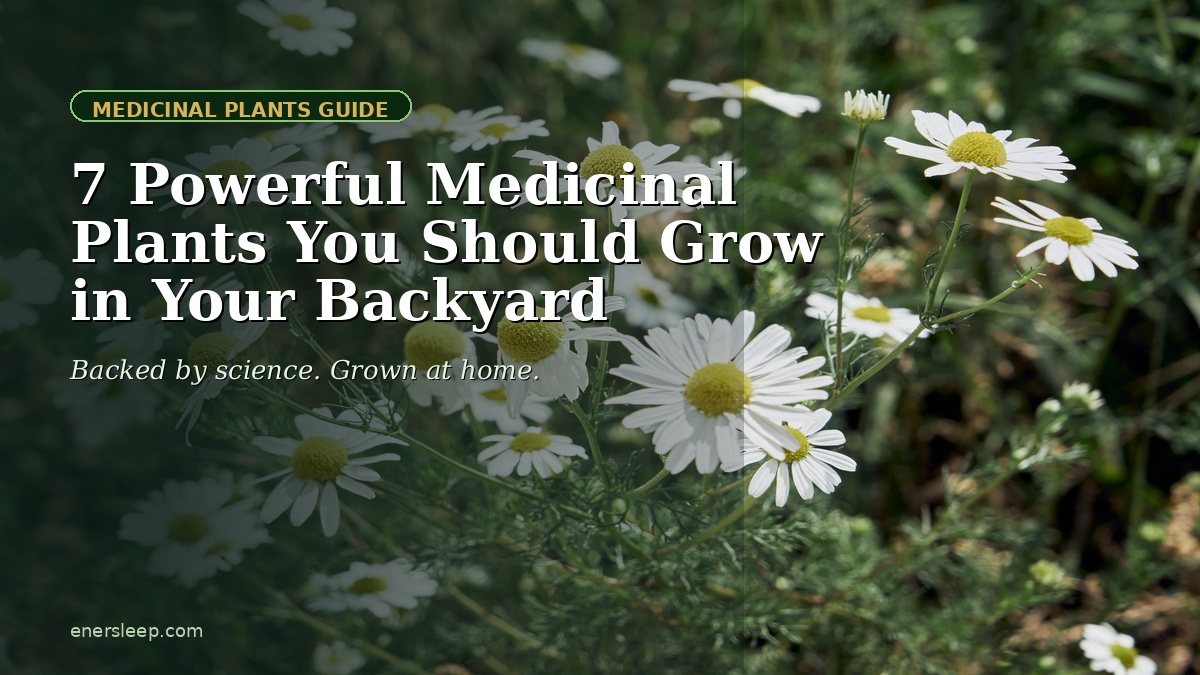
Discover seven time-tested plants that herbalists have relied on for centuries — and how to grow them yourself, even with no gardening experience.
Imagine stepping outside each morning and picking your own medicine. No pharmacy queues. No expensive supplements with unpronounceable ingredients. Just clean, powerful plants — grown by your own hands, harvested at peak potency.
This isn’t a fantasy. It’s what millions of families did for thousands of years — and what a growing movement of modern Americans, Canadians, and British households are rediscovering today.
In this guide, you’ll learn about 7 of the most effective medicinal plants you can grow at home, what conditions they help with, and exactly how to start — even if you’ve never grown anything before.
Why Grow Medicinal Plants at Home?
Store-bought herbal supplements are often harvested months before you buy them, dried under industrial conditions, and stored in warehouses. By the time the capsule reaches your shelf, much of the active medicinal compound has degraded.
When you grow your own plants and harvest them fresh, you get:
- ✅ Maximum potency — harvested at peak medicinal concentration
- ✅ Zero pesticides or synthetic additives
- ✅ Full control over what you’re putting into your body
- ✅ Endless supply at a fraction of the cost of supplements
- ✅ The satisfaction of growing your own medicine
🌿 Want All 7 Plants (Plus 3 More) in One Kit?
The Medicinal Garden Kit includes 10 seed varieties, a full growing guide, 50+ remedy recipes, and a planting calendar.
🌱 Get the Medicinal Garden Kit
🛡️ 365-Day Money-Back Guarantee · 📦 Free Shipping USA & Canada
1. Chamomile — The Sleep & Calm Plant
🌼 Chamomile (Matricaria chamomilla) | Sleep · Anxiety · Digestion · Skin inflammation
Chamomile is perhaps the world’s most beloved medicinal herb. The tiny daisy-like flowers contain apigenin, a compound that binds to receptors in the brain to reduce anxiety and promote natural sleep.
In a clinical review published in Phytomedicine, chamomile extract significantly reduced generalised anxiety disorder symptoms. Separate studies showed consistent improvements in sleep quality with regular chamomile tea.
How to Use It
- Sleep tea: Steep 1–2 teaspoons of fresh or dried flowers in hot water for 5–10 minutes before bed
- Digestive relief: Same tea taken after meals for bloating or cramping
- Skin soothing: Cooled chamomile tea applied topically to rashes or inflammation
💡 Growing Tip: Chamomile thrives in full sun with well-drained soil and self-seeds readily — plant it once and it comes back every year.
2. Lavender — The Anxiety & Headache Plant
💜 Lavender (Lavandula angustifolia) | Anxiety · Stress · Headaches · Skin healing · Sleep
Lavender contains linalool and linalyl acetate — compounds shown in multiple studies to have genuine anxiolytic (anti-anxiety) effects. A licensed oral lavender preparation has shown effects comparable to low-dose benzodiazepines for anxiety — without dependency risk.
How to Use It
- Anxiety and stress: Inhale directly from a sprig or diffuse dried flowers in your bedroom
- Tension headaches: Apply diluted lavender oil to temples and the back of the neck
- Sleep: Place a small sachet of dried lavender under your pillow
💡 Growing Tip: Lavender loves full sun and poor, well-drained soil. Drought-tolerant once established — perfect for beginners.
3. Echinacea — The Immune Booster
🌿 Echinacea (Echinacea purpurea) | Immunity · Colds & flu · Infections · Wound healing
Used by Native American healers for over 400 years. A Cochrane review of 24 randomised trials found echinacea can reduce the incidence of colds by up to 58% and shorten their duration by stimulating white blood cell production.
How to Use It
- Immune tincture: Use roots and flowers to make a tincture with food-grade alcohol
- Prevention tea: Dried echinacea tea at the first sign of illness
- Topical healing: Fresh leaf poultice applied to minor wounds
💡 Growing Tip: Echinacea is a native North American wildflower — extremely hardy. Takes one season to establish, then returns every year.
4. Lemon Balm — The Mood Lifter
🍃 Lemon Balm (Melissa officinalis) | Mood · Anxiety · Sleep · Digestion · Cognitive function
Called “the gladdening herb,” lemon balm contains rosmarinic acid, which inhibits the breakdown of GABA — a calming neurotransmitter — in the brain. Research in Psychosomatic Medicine found it improved mood, calmness, and memory within hours of a single dose.
How to Use It
- Mood and calm tea: Fresh or dried leaves steeped for 10 minutes — one of the most pleasant herbal teas
- Cognitive boost: A strong cup before mentally demanding work
- Cold sore treatment: Topical application to reduce healing time
💡 Growing Tip: Lemon balm is incredibly easy to grow and very difficult to kill. Grow in a container to prevent it spreading too much.
5. Peppermint — The Digestion & Pain Plant
🌱 Peppermint (Mentha × piperita) | Digestion · IBS · Headaches · Pain relief · Nausea
Peppermint’s menthol has genuine analgesic and antispasmodic effects. For IBS, peppermint oil capsules outperform many pharmaceutical antispasmodics. A study in Cephalalgia found topical peppermint oil as effective as acetaminophen for tension headaches.
How to Use It
- Digestive tea: Fresh or dried leaves after meals for bloating or nausea
- Headache relief: Diluted peppermint oil on temples and forehead
- Muscle pain: Peppermint salve rubbed into sore muscles
💡 Growing Tip: Peppermint spreads aggressively. Grow in a pot for easy control and year-round fresh leaves indoors in winter.
6. Calendula — The Skin Healer
🌸 Calendula (Calendula officinalis) | Wound healing · Eczema · Burns · Inflammation · Rashes
Calendula petals are rich in flavonoids and triterpenes with potent anti-inflammatory, antimicrobial, and wound-healing effects. A randomised trial in the Journal of Wound Care found calendula cream significantly more effective than petroleum jelly for wound healing.
How to Use It
- Healing salve: Infuse dried petals in coconut oil for cuts, burns, and rashes
- Eczema relief: Calendula cream applied to dry, inflamed patches
- Baby care: Gentle enough for nappy rash and sensitive skin
💡 Growing Tip: Calendula blooms from early summer to first frost. The more you harvest, the more it produces.
7. St. John’s Wort — The Natural Antidepressant
🌻 St. John’s Wort (Hypericum perforatum) | Mild depression · Anxiety · Nerve pain · Seasonal mood changes
A Cochrane meta-analysis of 29 trials with 5,000+ patients found St. John’s Wort similarly effective to standard antidepressants for mild-to-moderate depression — with significantly fewer side effects. It influences serotonin, dopamine, and norepinephrine pathways.
How to Use It
- Mood support tea: Dried flowers steeped daily for several weeks
- Tincture: Alcohol extract of fresh flowering tops
- Nerve pain oil: Infuse in olive oil and apply topically
⚠️ Important: St. John’s Wort interacts with several medications including antidepressants and blood thinners. Consult your doctor first.
Final Thoughts
These seven plants represent some of the most thoroughly researched medicinal plants available. None require specialist knowledge to grow, and all can meaningfully support your health when used correctly.
Start small. Pick two or three plants. Grow them well. And watch your relationship with your own health transform. Your healing garden is waiting. 🌿
🌿 Start Growing Your Own Medicine Today
✅ 10 non-GMO seed varieties · ✅ Full illustrated guide · ✅ 50+ remedy recipes · ✅ Planting calendar · ✅ 365-Day Guarantee
🌱 Get the Medicinal Garden Kit →
🛡️ 365-Day Money-Back Guarantee · 📦 Free Shipping USA & Canada · ⭐ 4.8/5 from 2,400+ Reviews
Affiliate Disclosure: This article contains affiliate links. If you purchase through our link, we may earn a commission at no extra cost to you.
Medical Disclaimer: This information is for educational purposes only and is not intended to diagnose, treat, cure, or prevent any disease. Always consult a qualified healthcare professional.